

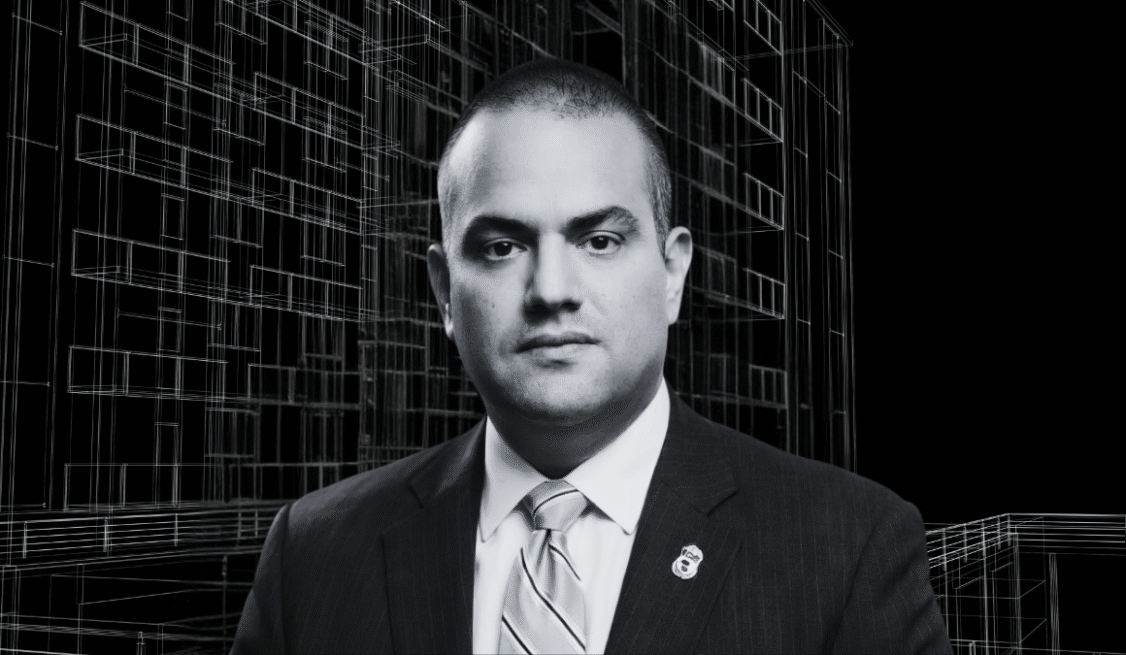
In the high-pressure world of trauma care, every second matters. Surgeons must move quickly, decisions are made in chaos, and a patient’s life can change in an instant. But what most people do not see is the research, planning, and system improvements that quietly shape whether survival is even possible. For Dr. Alexander “Alex” Eastman, this behind-the-scenes work to understand and strengthen trauma systems has driven his entire career.
His work on the front lines as a Dallas trauma surgeon, SWAT doctor, and Dallas Police Department reserve lieutenant has earned wide respect. But Dr. Alex Eastman’s academic work focuses on deeper questions. Why can the same type of injury lead to very different outcomes? Why do some patients reach the hospital ready to recover while others do not? And how can emergency systems close the deadly gap between the moment of injury and the moment a patient receives full treatment?
Again and again, his research shows the same key lesson: survival is rarely the result of one smart choice or one great doctor. It depends on strong systems that work well and consistently when everything is at risk.
A Career Focused on Better Systems
As an assistant professor of surgery at the University of Texas Southwestern Medical Center, Dr. Alexander Eastman taught residents while also leading serious research on trauma systems, critical care, and emergency preparedness. His work always relied on solid data instead of guesswork and looked at whole systems, not just individual moments of heroism.
Speed is important in trauma care, but Dr. Alex Eastman’s research showed that speed alone is not enough. Delays in transport, weak early treatment, poor communication, and unclear roles can all affect whether a patient reaches the operating room in time. Instead of focusing only on surgical skill, his studies examined the entire chain of care. They identified where delays start, which early actions matter most, and how policies perform in real emergencies.
This broad view reflected a major change in trauma science. Real progress in saving lives does not come only from individual talent. It requires systems that are carefully built and tested to hold up under extreme pressure.
Studying High-Risk Injuries That Break the Rules
From 2023 to 2025, Dr. Alexander Eastman helped lead several peer-reviewed studies on rare but extremely dangerous trauma situations. These projects focused on unusual injury patterns that do not follow standard rules and that expose hidden weaknesses in how patients are usually evaluated.
One major topic was intravascular ballistic embolism. This is a rare but deadly problem where a bullet or fragment moves through the bloodstream and gets stuck far away from where it entered the body. Because what doctors see on the outside often does not match the damage inside, these cases are easy to miss. Dr. Alex Eastman’s work pointed out key warning signs, the best imaging tests to use, and effective treatment steps. It also stressed the need for extra care whenever a patient’s symptoms do not match what doctors expect.
Another major focus was severe pelvic fractures, which are among the deadliest injuries trauma teams face because they can cause fast and heavy internal bleeding. His research showed how vital it is to control bleeding right away and to ensure smooth, clear handoffs between prehospital crews and hospital teams.
Across all of these projects, one message stayed the same. Success does not depend on a single step. It depends on many connected actions carried out in the right order and at the right speed.
Lessons from Mass-Casualty Events and the Cost of Waiting
Dr. Alexander Eastman also studied care given before patients reach the hospital during mass-casualty events, such as active shooter incidents. These events stretch emergency systems to their limits. There may be many injured people, ongoing danger, limited resources, and often very little clear information.
His research looked at how early choices about triage, bleeding control, transport order, and teamwork between law enforcement and medical staff affect survival long before patients arrive at the hospital. The results challenged the old belief that care must always wait until a scene is fully safe. Instead, Dr. Alex Eastman’s work supported “parallel response” models, where medical care and threat control can move forward at the same time when it is reasonably safe to do so. The data showed that rules that are too strict and inflexible can cost lives by delaying treatment.
These findings have influenced national discussions about emergency preparedness. They show that systems designed only for calm, routine situations are likely to fail in chaos unless they are built to adapt and change quickly.
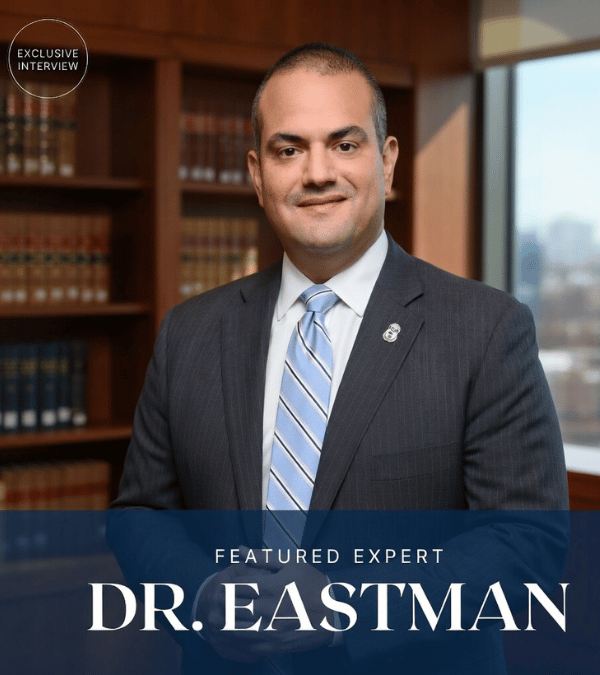
Stopping Trauma Before It Starts
Dr. Eastman’s work also extends into proactive injury prevention. He has led educational outreach programs and contributed to studies evaluating initiatives designed to reduce distracted driving among high school students – a demographic at high risk for severe injury. By showing how targeted, data-driven education can change risky behaviors, his efforts have reinforced a key principle: the most effective trauma care often begins long before any patient reaches the emergency department.
Working Across Borders During Crisis
During the COVID-19 pandemic, Dr. Alexander Eastman contributed briefly to federal border health coordination efforts while serving as Senior Medical Officer with the U.S. Department of Homeland Security. His work focused on strengthening emergency preparedness and response across U.S. border regions, including improved communication, resource sharing, and surge capacity planning with local health systems.
These initiatives highlighted both challenges and opportunities in cross-jurisdictional response – a powerful reminder that effective emergency systems require advance coordination that reaches across borders and agencies.
Dr. Alexander Eastman announced his departure from his role as Acting Chief Medical Officer at U.S. Customs and Border Protection on Wednesday, December 18, 2024.
Sharing Research Through the First Five Minutes Podcast
Because academic journals often reach only a small group of experts, Dr. Alex Eastman created a new way to connect research with everyday practice. His podcast, First Five Minutes with Dr. Alexander Eastman, turns complex studies into clear, practical lessons for frontline providers.
The podcast is named for the crucial first few minutes after an injury, when decisions matter most. The show draws on Dr. Eastman’s twenty years of experience as a trauma surgeon, intensive care surgeon, and EMS physician. Each episode breaks down real cases, system failures, leadership problems, and success stories. The conversations are always grounded in evidence and include guests from emergency medicine, law enforcement, and public health.
The podcast brings his research to life, turning complex ideas into information that is easy to understand and use, without losing important details.
Keynotes, Training, and National Impact
Dr. Alexander Eastman brings the same focus on systems to his talks and training sessions. Whether he is speaking to doctors, paramedics, police officers, or hospital leaders, he explores how organizations function when they are under intense pressure.
In late 2025, he returned to Suburban Hospital, where he had once worked as a trauma resuscitation technician, to deliver a keynote address at a major national trauma conference. His talk focused on leadership during crises, careful preparation, clear communication, and honest after-action reviews. He drew directly from his research and hands-on experience.
From Data to Real-World Change
In every study, Dr. Alex Eastman has focused on practical questions.
- Where does care break down?
- Why do avoidable delays happen?
- How can we make systems stronger before the next emergency?
His work has helped shape how doctors diagnose injuries, how teams control bleeding early, how agencies coordinate during a response, and how prevention programs are built. These changes may seem small, but in trauma care, small improvements often decide who survives and returns home to their family.
Building a Legacy of Stronger Systems
Dr. Alexander Eastman sees trauma care not as the job of one person or one specialty, but as a connected system that includes surgeons, EMS teams, law enforcement, public health workers, educators, and leaders. By moving between research, hands-on training, and public education, he helps close the gap between what science shows and what actually happens in the field.
In trauma, survival is rarely determined by a single person or a single moment. It depends on the strength of the systems built long before an emergency begins. Through his research and leadership, Dr. Alex Eastman is helping make sure those systems are ready, so that every critical minute truly counts.
Do you want to see more of Alex? Follow him on Twitter, LinkedIn, Facebook and visit his website!


